What to check before booking Barcelona tours
Barcelona rewards planning. The city is compact enough to cover a lot in a few days, yet its popular sights, busy streets and long meal times can turn a loose plan into a rushed one. Before booking barcelona tours, look past the headline subject and check the details that shape the day. A little attention now can mean better pacing, fewer clashes and a clearer idea of what is included.
Start with the route and the pace
Every tour asks for a trade-off between breadth and depth. A walking route through the old city can cover narrow streets, plazas and landmarks, but it also means hours on your feet. A bike tour can make a wider area feel manageable, though it works best for riders who are comfortable in traffic and happy to follow a leader. A scooter tour or segway tour may feel easier on the legs, but each has its own rules, meeting points and safety briefing.
Read the route description line by line. Look for the starting area, the main stops, the finish point and any mention of hills, stairs or long stretches without a break. If the day is meant to include a gourmet market or a visit to boqueria market, check whether tasting time is built in or whether the group simply pauses there. A short market stop is very different from a slow look through stalls.
Also think about when the tour runs. Morning routes often feel calmer around major sights, while late afternoon can suit photography and lighter crowds. That said, heat, traffic and opening patterns all affect how a route feels. The best time is the one that fits your energy, your other plans and the way the city moves that day.
Check language, group size and attention level
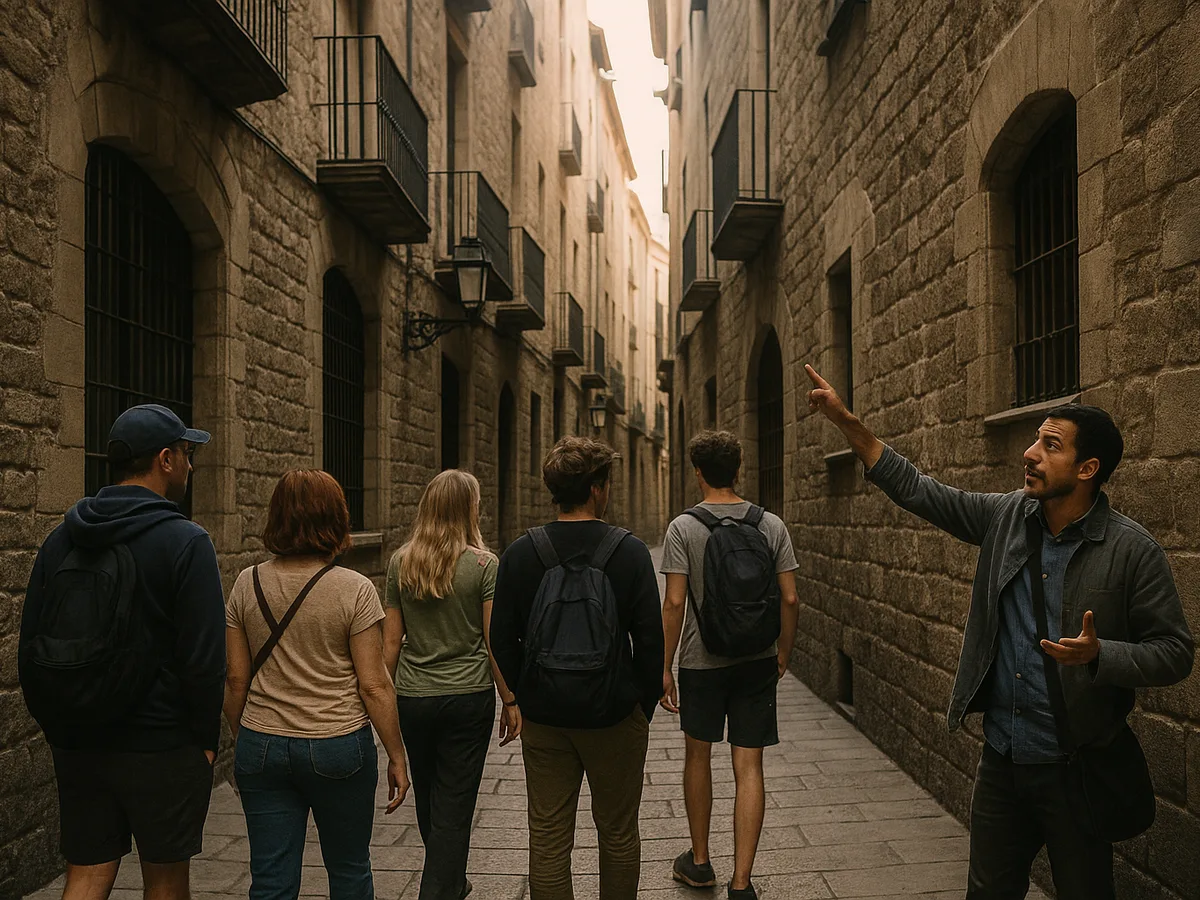
A tour is only useful if you can follow it. Check the language of the commentary, and ask whether the same route runs in more than one language. Mixed-language groups can change the rhythm of the day, with more pauses and shorter explanations. If you care about architecture, history or food details, that difference matters.
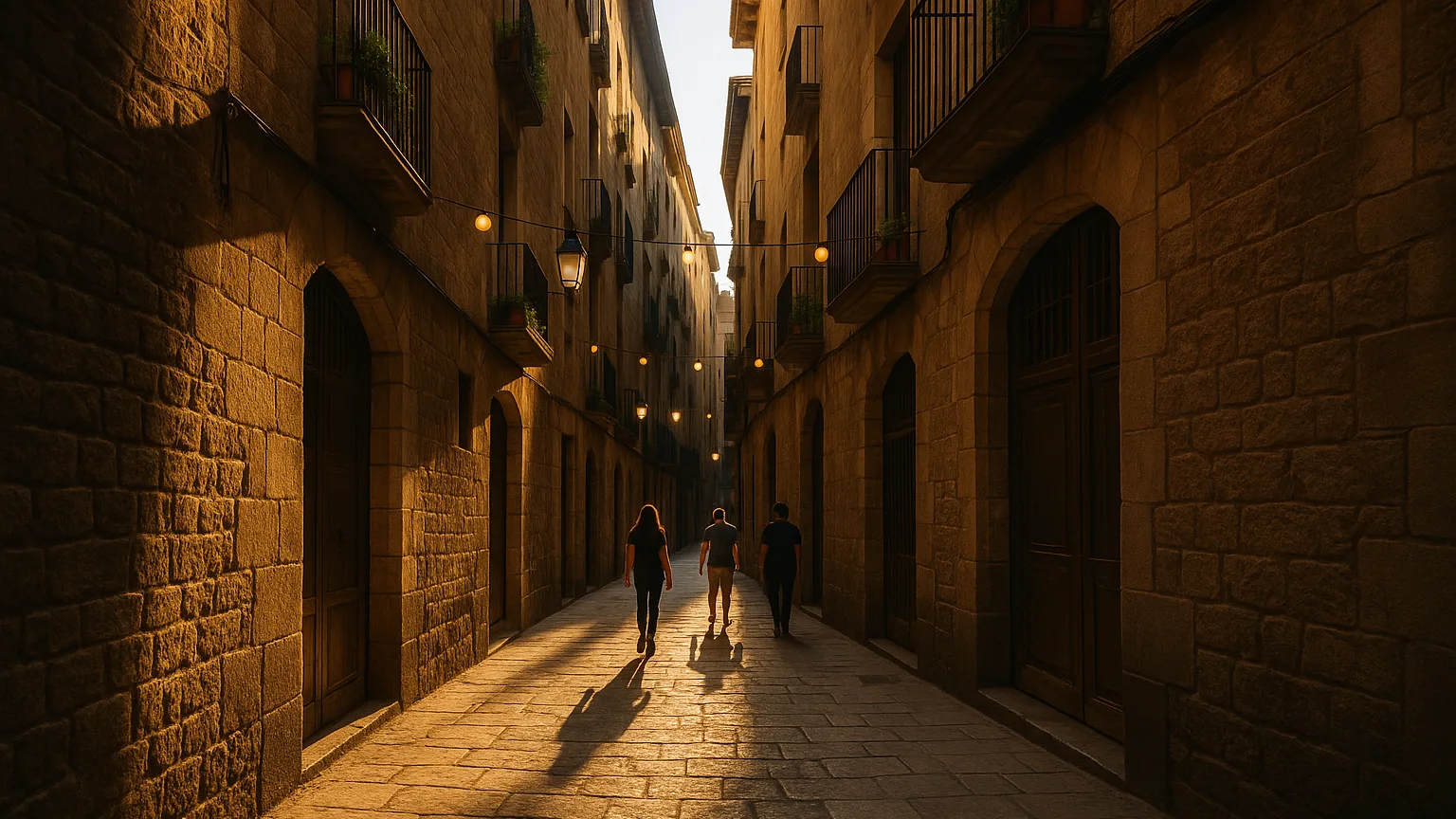
Group size also changes the experience. A smaller group makes it easier to ask questions and hear the guide. A larger group may move more slowly at busy crossings and popular viewpoints. Neither is automatically better. The right size depends on whether you want a social atmosphere, a quieter pace or room to linger at stops.
It helps to check how much of the tour is guided commentary and how much is free time. Some people enjoy a steady stream of context. Others want a clear introduction, then time to look around. Read the wording carefully, because phrases such as guided visit, panoramic route and free time are often used in different ways.
Look closely at what is included
Inclusions are where disappointment often starts. Check admissions, transport, food, drinks and equipment before you commit. If a monument or interior visit is part of the appeal, confirm whether entry is included and whether the tour goes inside. Some routes pass famous buildings but do not enter them, which is fine if that is clear from the start.
For food-focused plans, check whether tastings are seated, walked through or shared. A stop at a gourmet market may involve several small samples, while a restaurant visit may follow a set format. Dietary needs should be checked early, especially for vegetarian, vegan, gluten-free or allergy-related requirements. A generic food tour may not be able to adjust every stop.
For active options, confirm what is supplied and what you need to bring. A bike tour, scooter tour or segway tour may require specific clothing, closed shoes or a certain level of confidence. If safety gear is part of the plan, check that this is stated. Avoid anything that asks you to ignore traffic rules, ride unsafely or skip a safety briefing. If a route seems to rely on risky behaviour, choose another option.
Match the tour to your wider itinerary
Barcelona plans work best when each day has a shape. A heavy morning walk followed by a long lunch and a museum visit may feel easy on paper but tiring in practice. Place each tour alongside transport times, meal breaks and any fixed bookings. Leave room between activities, especially in the old city where streets are busy and distances can take longer than expected.
Think about where you are staying and how you will reach the meeting point. A tour that starts across town may still be worth it, but only if the travel time fits. The same applies to the finish point. If you plan to continue to a flamenco show or dinner, check that the ending location makes that practical.
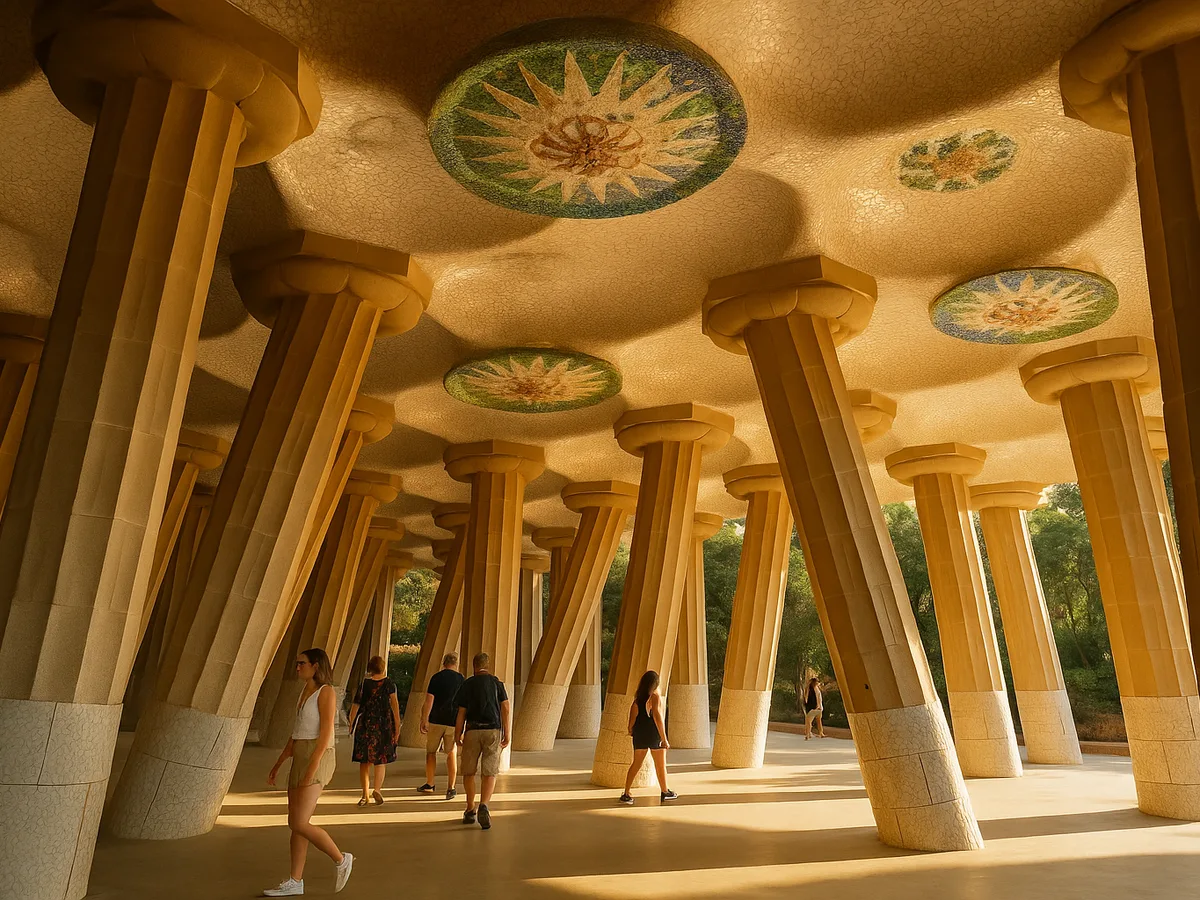
Some visitors like to compare several options before choosing. Sites such as citytourinbarcelona.com can be useful as a starting point for seeing what kinds of routes exist, then the details can be checked against your own dates and interests. Keep the choice simple: one well-matched tour is more enjoyable than a packed schedule built around famous names.
Read the practical terms before paying
Booking terms deserve a careful read, even for a short city tour. Check the cancellation window, the meeting instructions and what happens if you arrive late. Look for clear directions to the starting point, including the nearest landmark or transport stop. A vague meeting description can be stressful when streets are crowded.
Weather can change the feel of outdoor plans. Check whether a route runs in rain or intense heat, and whether indoor stops are part of the design. A catamaran cruise may depend on conditions, while a walking route may continue with a different pace. Flexible plans are helpful, but the flexibility should be stated plainly.
Accessibility is another practical point. Check whether the route involves cobblestones, steps, long periods standing or transport that is difficult to board. If anyone in the group needs a steadier pace, that should shape the choice before booking rather than during the day.
Notice the small signals in the description
Good tour descriptions are specific without being cluttered. They say where the route goes, what the focus is, how long it lasts and what participants should bring. Vague promises can still point to a good day, but they make comparison harder. Look for plain wording about the stops and the style of guiding.
Details around güell palace or other well-known sites are worth checking closely. A mention may mean an exterior view, a short explanation or an interior visit. These are very different experiences. The same applies to a bike tour past the waterfront or a walk through a market. The route matters more than the list of famous names attached to it.
Reviews can help when they describe specifics, such as pacing, clarity of commentary or how the group was handled. Treat repeated comments as useful signals, not as a substitute for reading the tour details. If many comments mention early starts, steep streets or limited time at stops, decide whether those features suit you.
Make the final choice with clear priorities
Before you book, decide what the day needs to deliver. Some tours are best for orientation, some for food, some for architecture and some for fresh air. A first visit may call for a broad route that explains the layout of the city. A return visit may allow something narrower, such as market tasting, a themed walk or time by the water.
Once the purpose is clear, compare the practical details against it. Check the language, route, inclusions, group size, pace, meeting point and cancellation terms. Then look at how the tour sits beside the rest of your plans. If the answers are easy to understand and the day feels realistic, the choice is likely to fit.
Barcelona has a dense mix of history, food, design and street life, so there is no single right way to see it. The better approach is to choose with attention, then leave enough space in the day for the city to surprise you. citytourinbarcelona.com may be one reference point while you compare options, but the final decision should rest on the details that affect your own time in the city.
Ends · THEBARCELONACITYTOURDEN